The death toll at the Hawks Nest Tunnel, West Virginia, is considered to be one of the worst disasters in American industrial history. The death toll from silicosis and occupational lung disease is put at 476 to 1,000, it’s impossible to be precise. The work involved the construction of the Hawks Nest Tunnel near Gauley Bridge, West Virginia, as part of a hydroelectric project between 1930 and 1931.
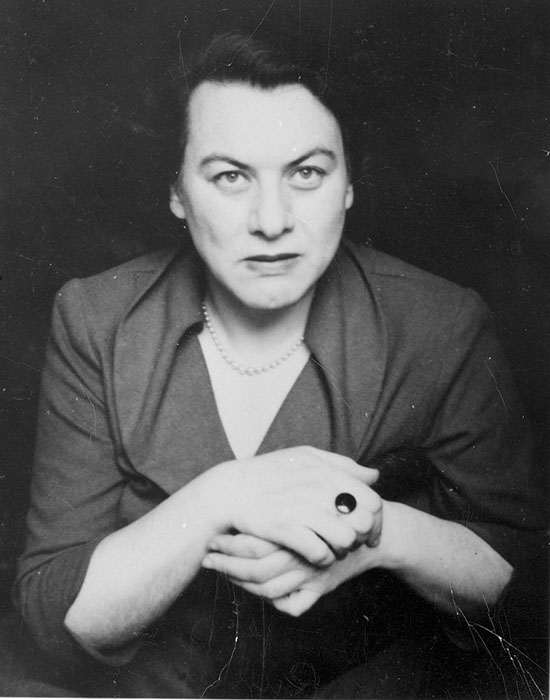
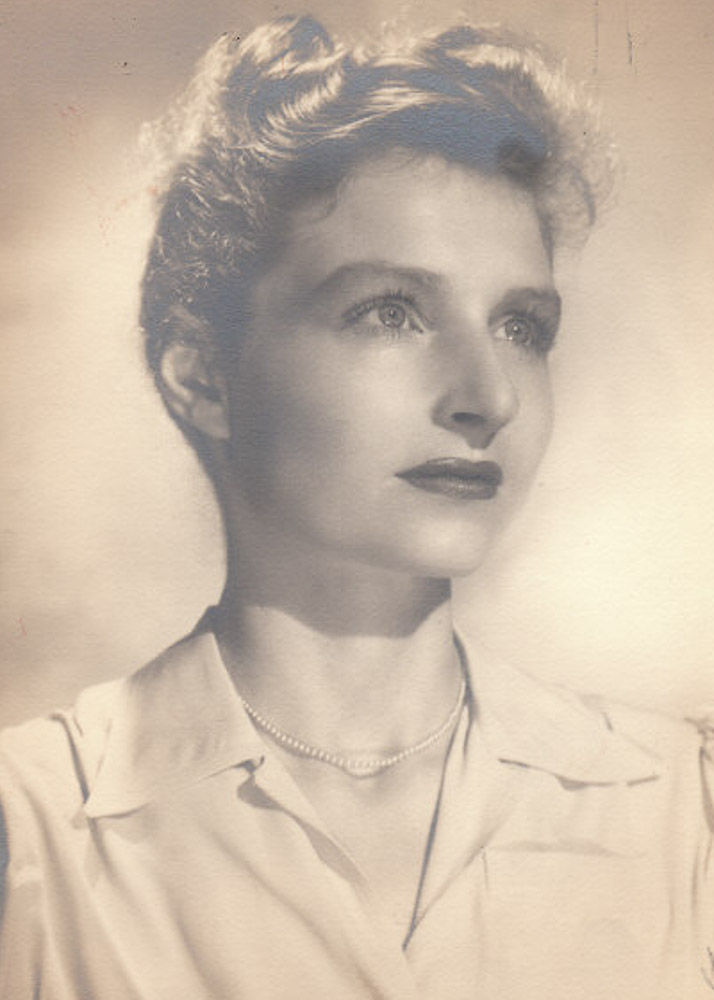
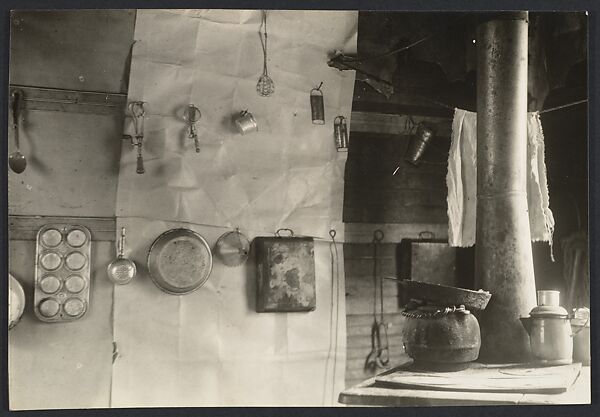
In spring 1935 writer and poet Muriel Rukeyser and photographer Nancy Naumburg set out from New York to investigate and document the tragedy. Rukeyser (1913-1980) was a writer and political activist who first made her name with a collection of poetry, Theory of Flight, in 1935. Naumburg (1911-1988) was a writer, photographer and film maker, perhaps remembered now only for her book We Make the Movies (1937). The ambition was to create something in the spirit of You Have Seen their Faces (1937, Margaret Bourke-White and Erskine Caldwell) and Lets Us Now Praise Famous Men (1941, Walker Evans and James Agee). In the event the project was not realised and little seems to be known about how the two women worked together. Rukeyser’s work was published as The Book of the Dead, a long narrative poem in 20 parts, in 1938. Only a couple of Naumburg’s plates have emerged from obscurity at the Museum of Modern Art in New York.
If the photographs themselves are lost, Rukeyser’s poems are rich in direct photographic references.
Now the photographer unpacks camera and case, / surveying the deep country, follows discovery / viewing on ground glass an inverted image. (The Road)
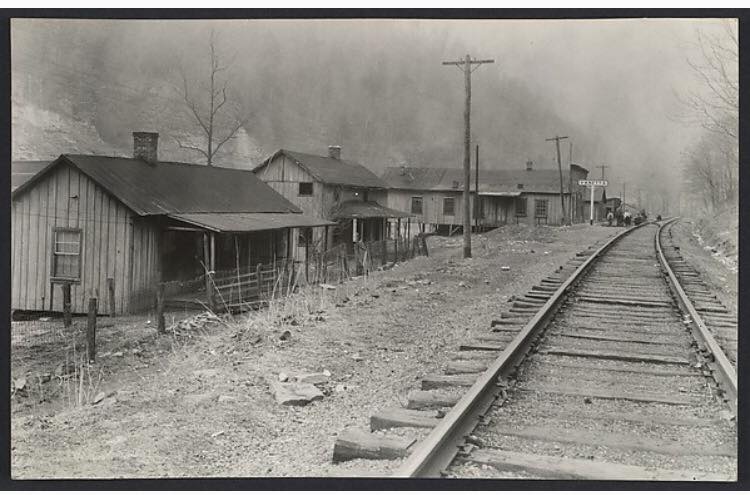
Camera at the crossing sees the city / a street of wooden walls and empty windows, / the doors shut handless in the empty street, and the deserted Negro standing on the corner.
The little boy runs with his dog / up the street to the bridge over the river where / nine men are mending road for the government. / He blurs the camera-glass fixed on the street. …
The man on the street and the camera eye: / he leaves the doctor’s office, slammed door, doom, / any town looks like this one-street town. …
Eyes of the tourist house, red-and-white filling station, / the eyes of the Negro, looking down the track, / hotel-man and hotel, cafeteria, camera. (Gauley Bridge)
On the last quarter he pulls his heavy collar up, / feels in his pocket the picture of his girl, (The Face of the Dam: Vivian Jones)
Ridge of discovery, / until we walk to windows, seeing America / lie in a photograph of power, widened / before our forehead, …
Defense is sight; widen the lens and see / standing over the land myths of identity, / new signals, processes …
Carry abroad the urgent need, the scene, / to photograph and to extend the voice, / to speak this meaning. (The Book of the Dead)
There is also a more oblique reference to the photographic process:
Rivers are turning inside their mountains, / streams line the stone, rest at the overflow / lake and in lanes of pliant colour lie. / Blessing of this innumerable silver, / printed in silver, images of stone / walk on a screen of falling water / in film-silver in continual change / recurring coloured, plunging with the wave. (The Dam)
The frequent inclusion of photographic references suggest that Naumburg did photograph at the site and that Rukeyser was familiar with the process. Why the work was not completed in the way intended remains a mystery.
For the complete poetic sequence and a detailed introduction, including the history of the disaster see The Book of the Dead with an introduction by Catherine Venable Moore, West Virginia University Press 2018.